2:17 a.m.
December 29, 1997
The Charleston Jetties…
“MAY…MAYDAY, U.S. Coast Guard come in!” (13-year-old Daniel Cornett to the U.S. Coast Guard from the stricken sailing vessel Morning Dew.)
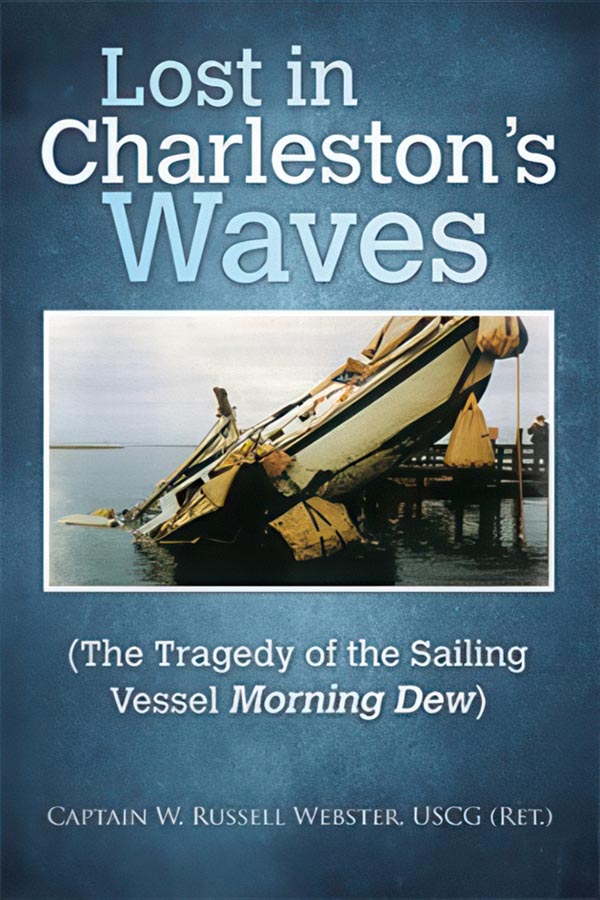
Lost in Charleston’s Waves is the pulse-pounding true story of mistakes by the Coast Guard that resulted in deaths in the early morning hours of December 29, 1997. Just after 2 a.m., Michael Cornett was at the helm of his 34’ motorized sailboat, the Morning Dew. His two sons, Paul and Daniel, and their cousin, Bobby Lee Hurd, Jr., were aboard and fast asleep. Cornett struck a stone jetty on the outer entrance to Charleston Harbor. It’s believed Cornett was incapacitated on impact and thrown overboard. The crash woke up the boys. For several agonizing hours, the “Three Amigos” as they were called, stayed with the vessel. They briefly radioed the coast guard. A coast guard watchstander heard the first part of the call but missed the word MAYDAY. He didn’t replay the tape to double-check. Later, the boys abandoned the sinking sail boat. They were floating in freezing waters. A crewman from a nearby Japanese car carrier heard the boys cry for help and called for help. A second coast guard watchstander failed to launch a comprehensive search and rescue mission. Instead, the guard asked a local pilot boat to check the area to see if anything was amiss. That effort was suspended before sunrise.
This book accomplishes two things. It provides a voice to two families who lost loved ones needlessly and details their determination to hold the government accountable for grievous errors in judgement. Lost also recounts how the coast guard, the nation’s oldest federal seagoing service, critically self-examined its leadership, equipment capacities and rescue procedures.
Investigations by the coast guard and the National Transportation Administration (NTSB) ended with a judge, the son of a coast guard officer, compensating the families with $19 million-dollars. This judgement, the investigations, an ABC 20/20 program and the grieving families would be the catalyst for decades of change in rescue procedures and technology upgrades. Painstakingly researched by a retired coast guard Captain and one of the nation’s leading coast guard contemporary maritime historians and rescue case study experts, Lost in Charleston’s Waves reminds today’s coast guard watchstanders about the psychology behind complacency and provides a warning that rescuers can still make similar tragic blunders of judgment.
